ALERTS

ACT NOW to Protect Clean Water

The Proposed Waters of the United States Rule

What’s Happening?

Read More About wotus

The Proposed Waters of the United States (WOTUS) rule is a revision to the 2023 definition of “waters of the United States,” announced on November 17, 2025, by the EPA and the Army Corps of Engineers. This rule would weaken the Clean Water Act by removing the current protections to our nation’s essential wetlands and streams. By changing the criteria for what counts as “water of the United States,” the rule would leave many wetlands and waterways unprotected. This will encourage development and make it easier for pollution to enter our streams, rivers, and wetlands.


Why This Matters for Local Waterways and Wetlands

If this rule moves forward, communities across the country - including those within the Mill Creek Watershed - could face serious impacts, such as:

  • Loss of Wetlands: Early analyses estimate that up to 80% of wetlands could lose protection. Wetlands reduce flooding, filter pollution, and support wildlife.

    1. More Pollution in Local Streams: With fewer safeguards, it becomes easier for pollutants to enter small streams that flow into the Mill Creek and our drinking water sources.

    2. Increased Flooding and Flood Damages: Without protected wetlands to absorb stormwater, neighborhoods and roads could face higher flood risks and more costly damage.

    3. Threats to Wildlife Habitat: Wetlands and streams support fish, birds, and countless other species. Losing these areas puts local biodiversity at risk.

Most Americans want strong clean water protections - national surveys show broad public support - yet this rule would remove key safeguards that have protected our waterways for decades.


How You Can Take Action to Protect Clean Water

Your voice matters! Help protect clean water by getting involved in the following ways:

Submit a Public Comment
  • Submit a public comment: Share why Mill Creek, its tributaries, and its wetlands matter to you. Personal stories, local experiences, and clear reasons for your concern make comments more effective.

  • Contact state officials: Reach out to your local, state, and federal representatives and urge them to support strong Clean Water Act protections.

  • Spread the word: Share this information with neighbors, friends, and community groups so more people know how the rule could affect our watershed and access to clean water.


See the Impact: Areas Vulnerable Under New Rule
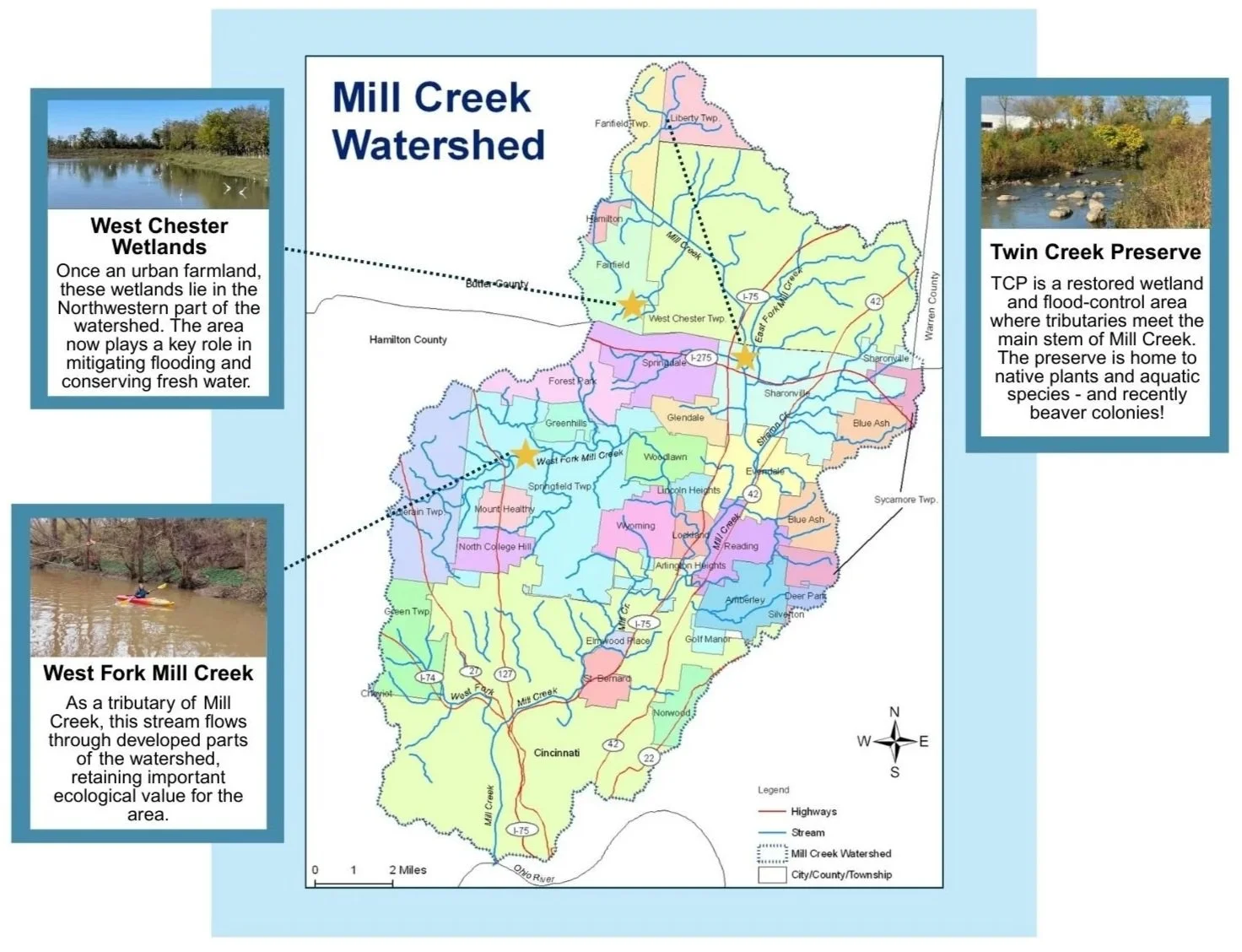
The proposed Waters of the United States rule would remove Clean Water Act protections from many smaller streams and wetlands - even those that help feed Mill Creek. In our watershed, places highlighted above like Twin Creek Preserve Wetland, West Chester Wetlands, and West Fork Mill Creek could lose important protections. Without these protections, more pollution and development could reach our local waters, putting wildlife, flood control, and community health at risk.

Printable Flyer

May 2020 Historic Rainfall on Mill Creek

Source: https://msdgc.vieuxinc.com/

Source: https://msdgc.vieuxinc.com/

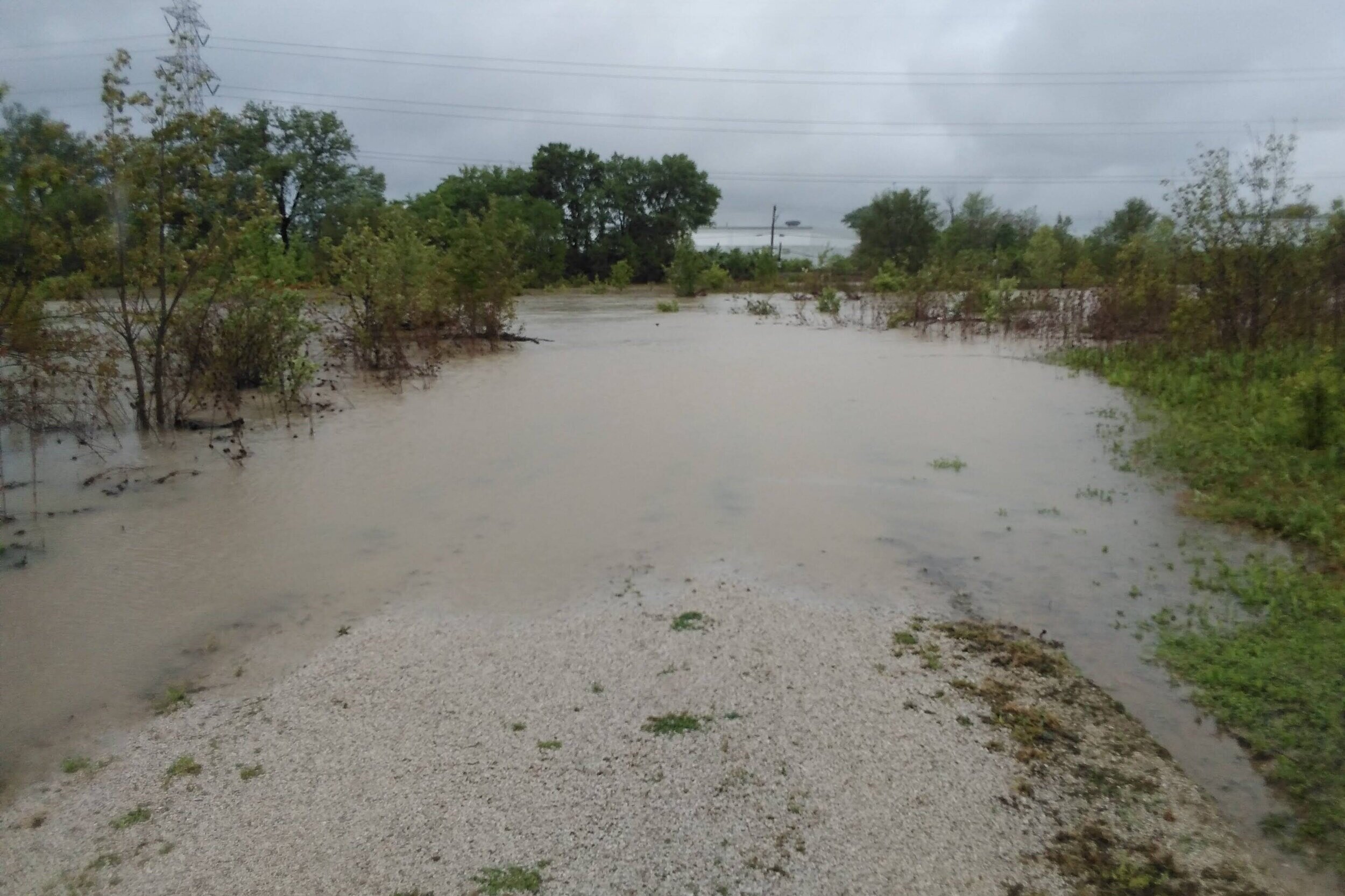
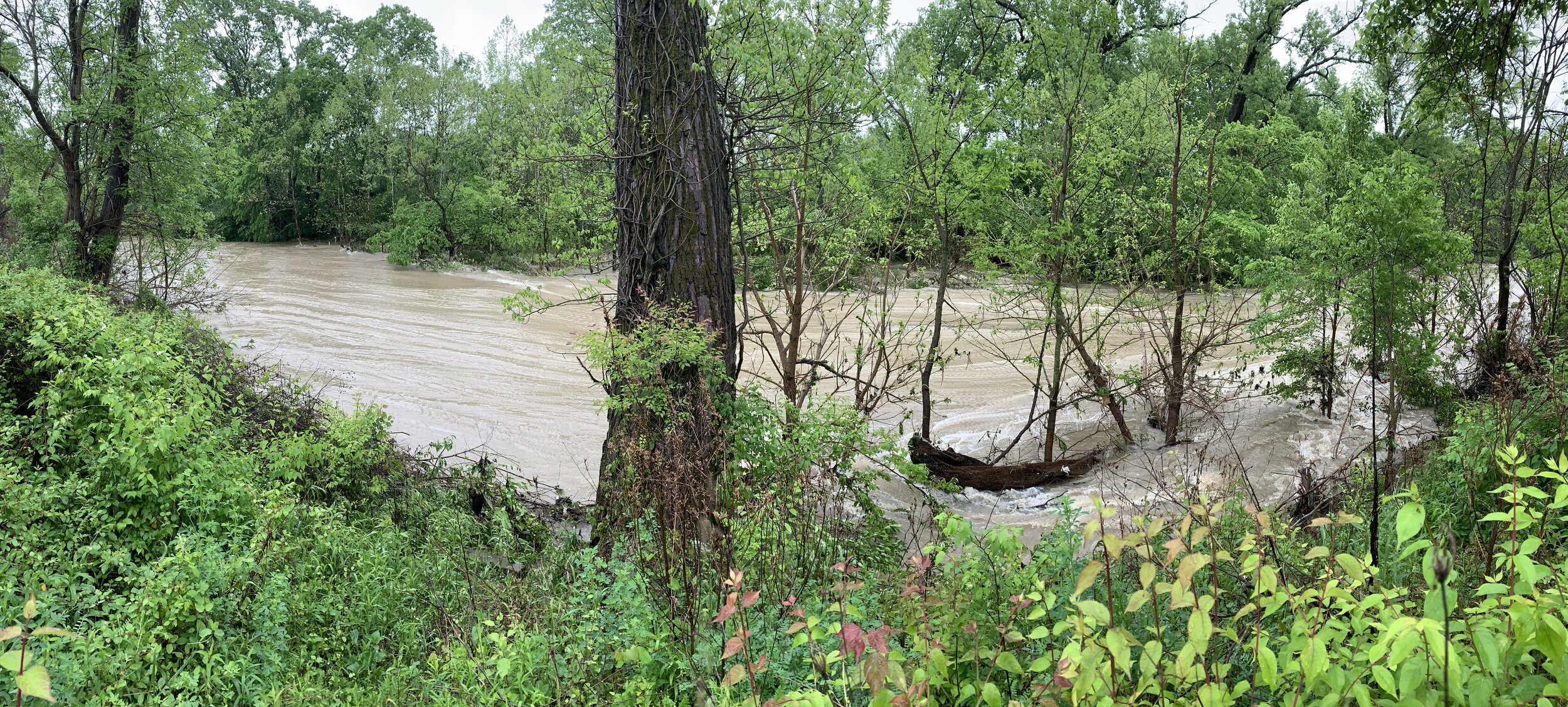
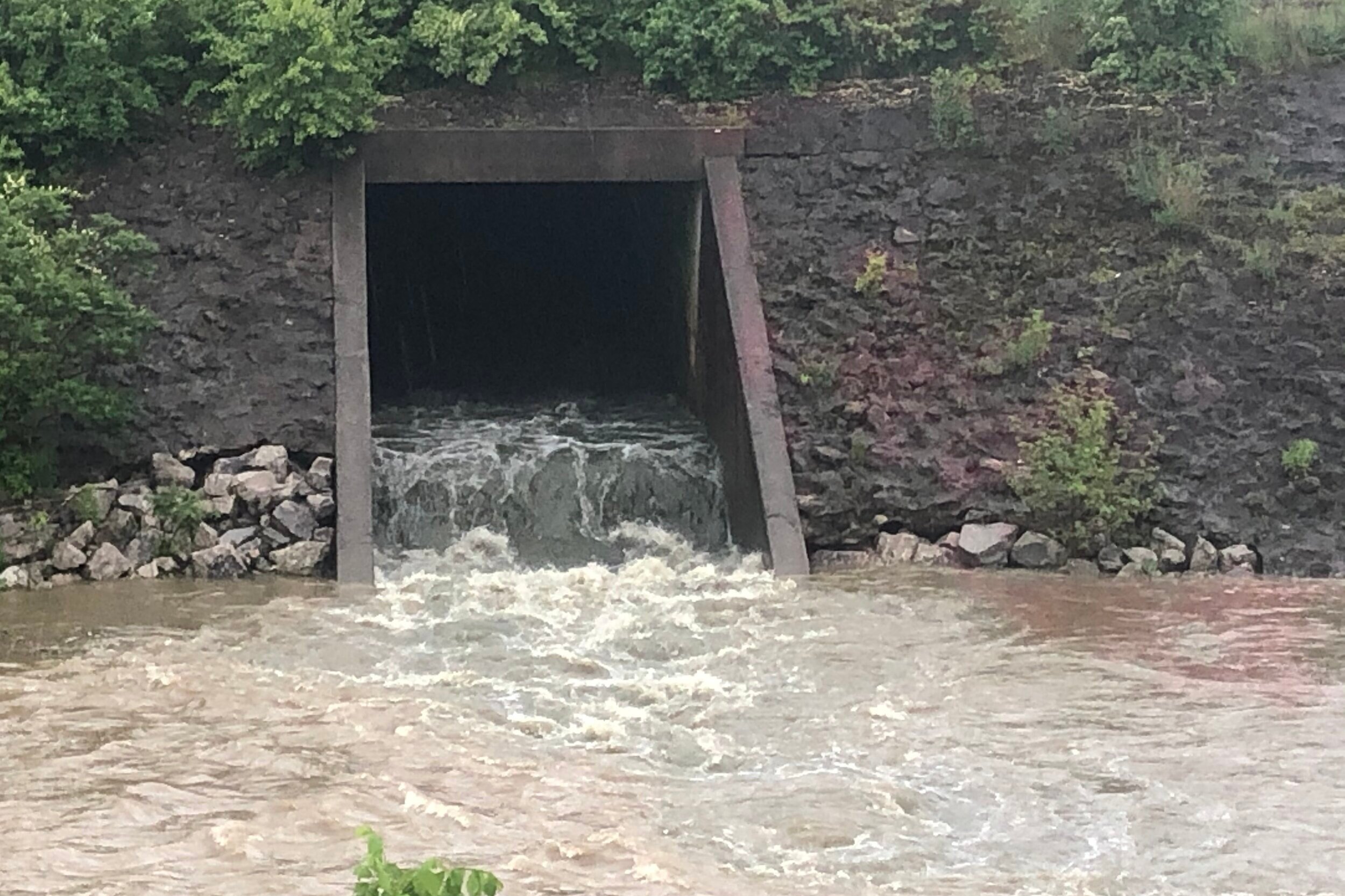
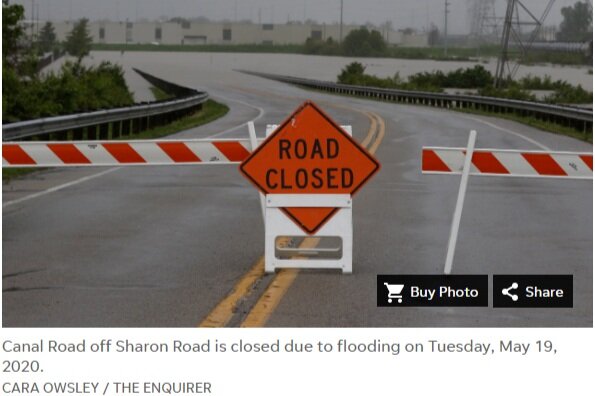
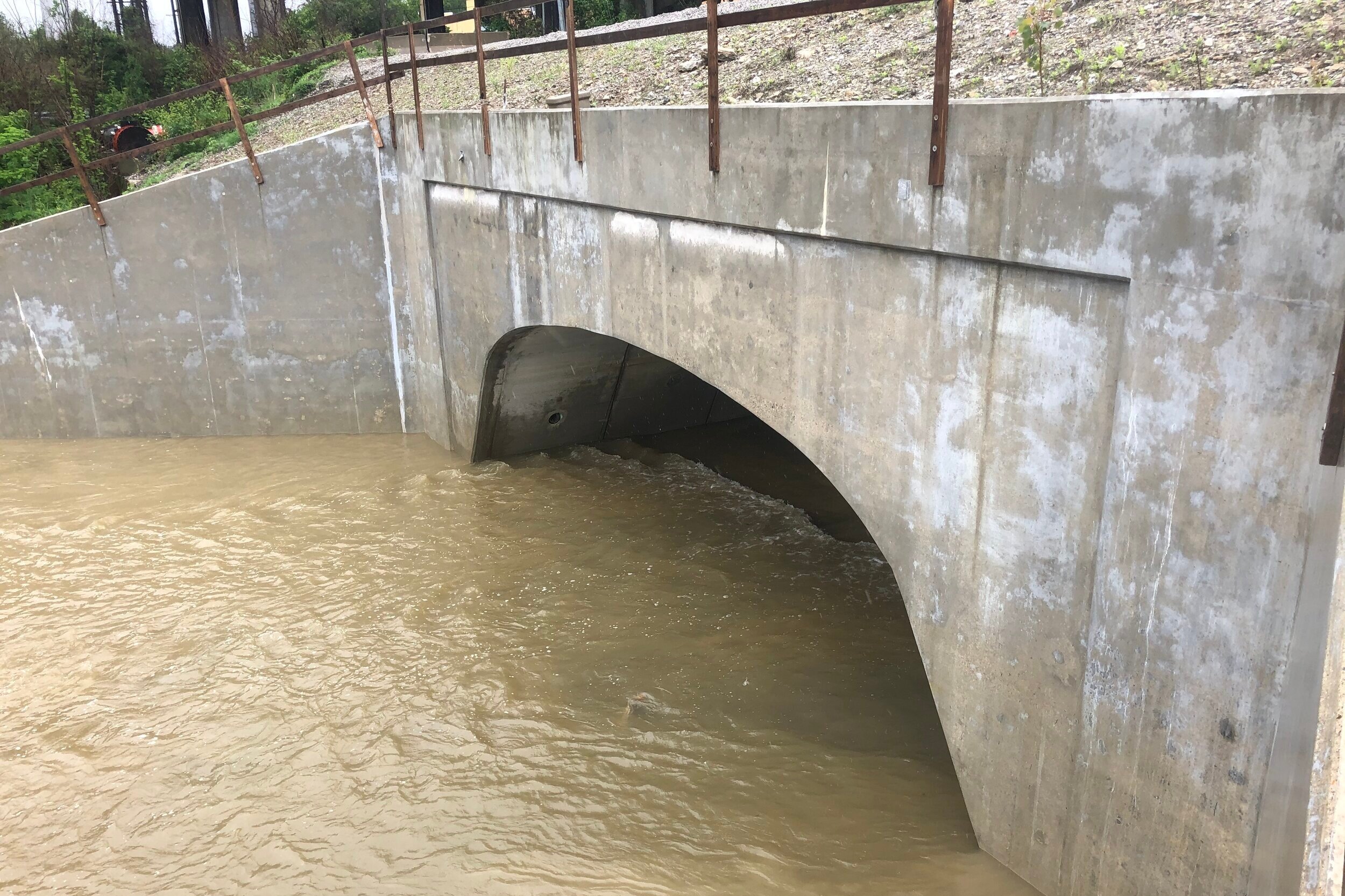
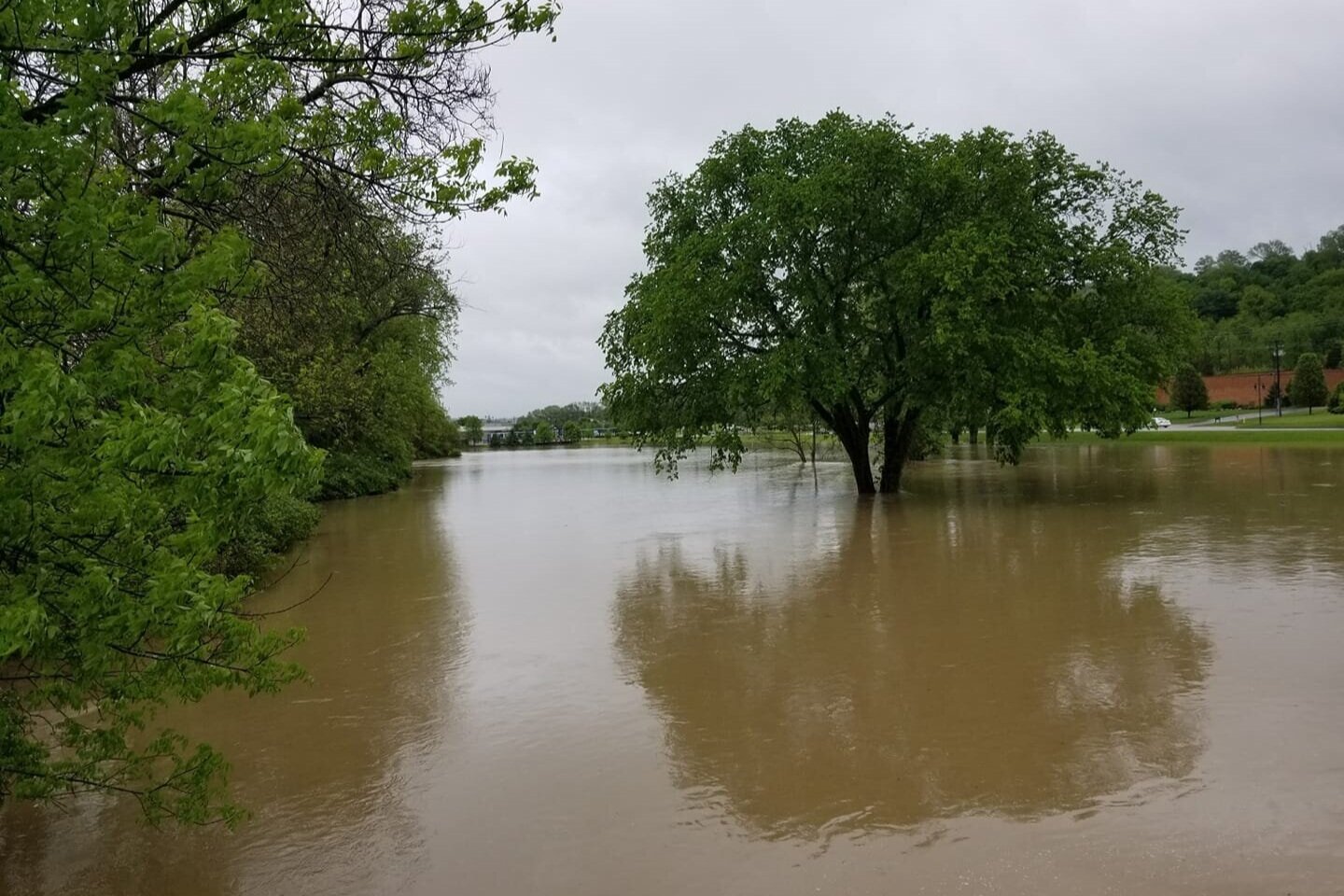
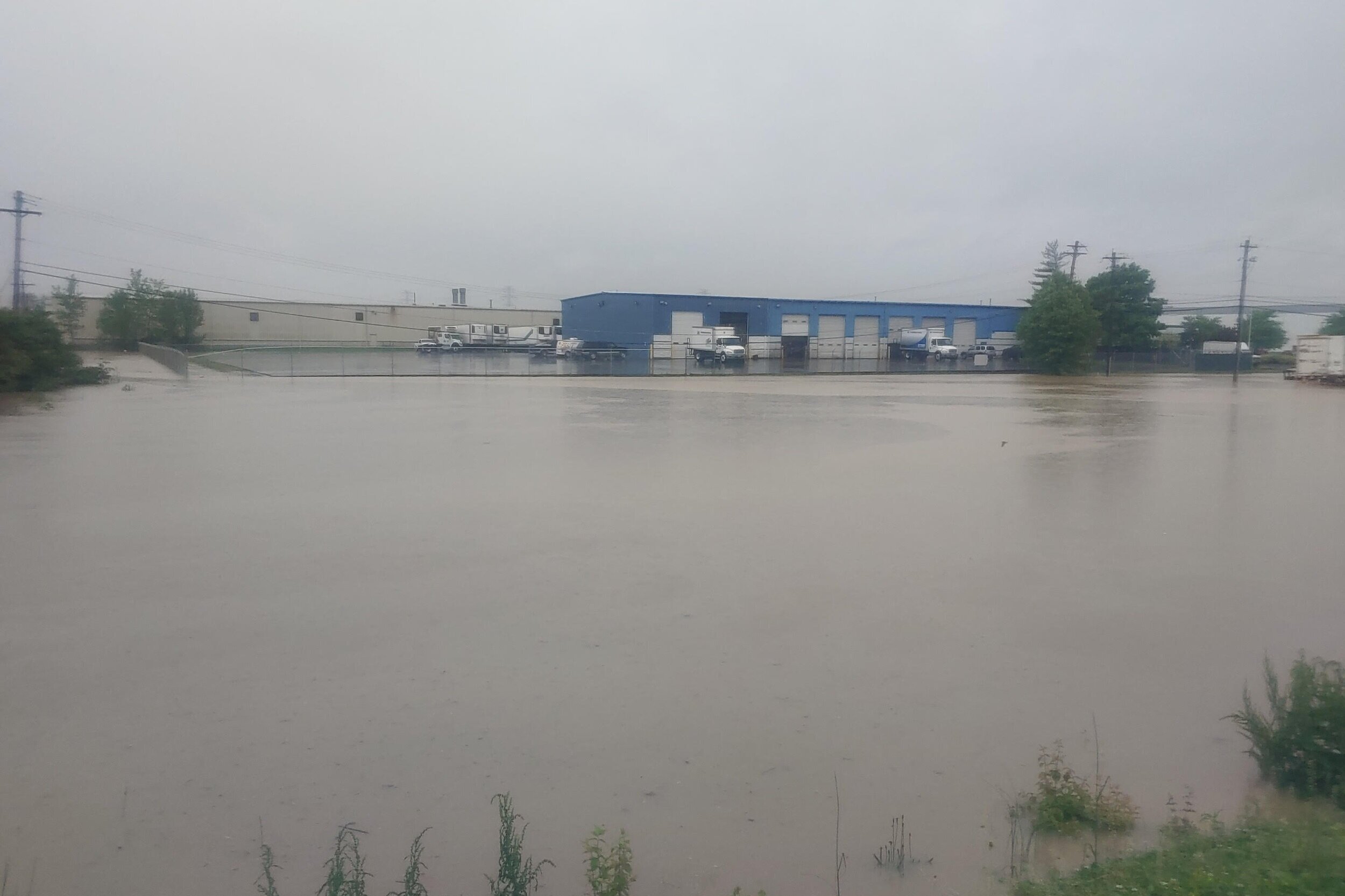
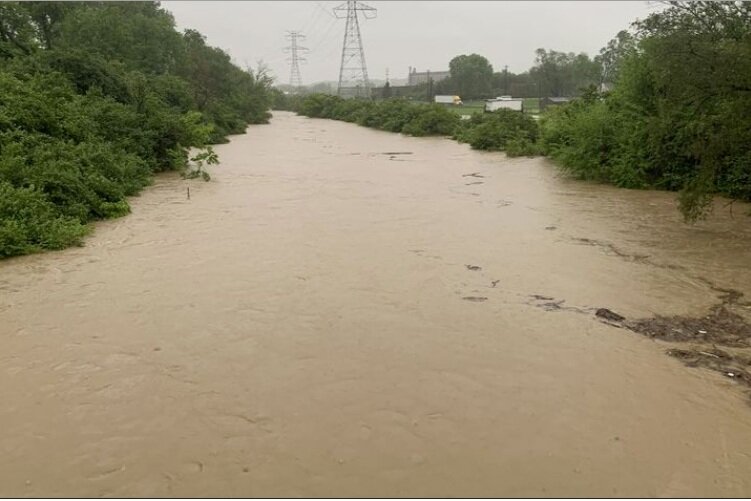
Where were you during the record breaking rainfall this past Monday, May 18, 2020?  We hope that you and your property weathered the “storm” and record breaking precipitation.  What did all that rain do to the streams near you?  We asked folks to submit pictures of the Mill Creek in their neighborhood and received a lot of responses.  See for yourself!

Source: https://waterdata.usgs.gov/nwis/uv?site_no=03259000

Historic rainfall means historic stream flow. All this rainfall eventually finds its way into our streams.  A rule of thumb is that for each 1” of rain on saturated soil, a 4’ rise in water levels results in our streams. 

Keeping in mind we had multiple days of rain, you can understand the 16 foot increase in the Mill Creek on May 18th.

Fun Fact:  You can monitor the rain on the Mill Creek yourself using the USGS (U.S. Geological Survey) stream gage in real time.  

This chart shows a typical stream flow at about 100 cfs (cubic feet per second).  This past week, the flow rate increased to 9,000 cfs in just two days!  That 100 fold increase of flow pummels the stream with 280 tons (the weight of 7 loaded 18-wheeler trucks) EVERY SECOND!  How can a stream possibly withstand that force?

Stream restoration projects address heavy rainfall events like May 18th. At the Mill Creek Alliance, we work with partners and communities to address opportunities and challenges in the Mill Creek Watershed.

Look at these photos before and during the May 18 record rainfall along the Mill Creek Greenway Trail at Seymour Avenue near Caldwell Park It’s a short distance from the stream gage and the site of a 15 year old Metropolitan Sewer District of Greater Cincinnati (MSD) restoration project.

You can see some of the standard features of stream restoration and stabilization: (1) The streambank is “armored” with heavy rock.  (2) Deep-rooted native vegetation complements the stone work, traps sediment, and further “bioengineers” a stable streambank and (3) Rock vanes extend into the stream to dissipate the immense energy of flowing floodwaters.

Here’s a look at another Mill Creek Alliance restoration project upstream at the Evendale Commons in the Village of Evendale.  Before a flood, a stream channel is where a stream typically flows most of the year including the dry summer months. 

However, during a flood, streams need connections to a wide stream corridor and a floodplain where flood waters can safely be contained away from people and property.

We’re glad to see our projects hard at work as part of the natural infrastructure of the Mill Creek Watershed - a natural and community asset.

The Mill Creek Alliance thanks you for your ongoing support and intererest.  Stay safe everyone!


Lots of people share MCA’s love for water and the Mill Creek. Take a peek at one of our Facebook Friend’s video sharing how he dealt with this week’s precipitation!